Shumpei Maruyama, PhD
Incoming Assistant Professor of Biology - Reed College (Spring 2027)
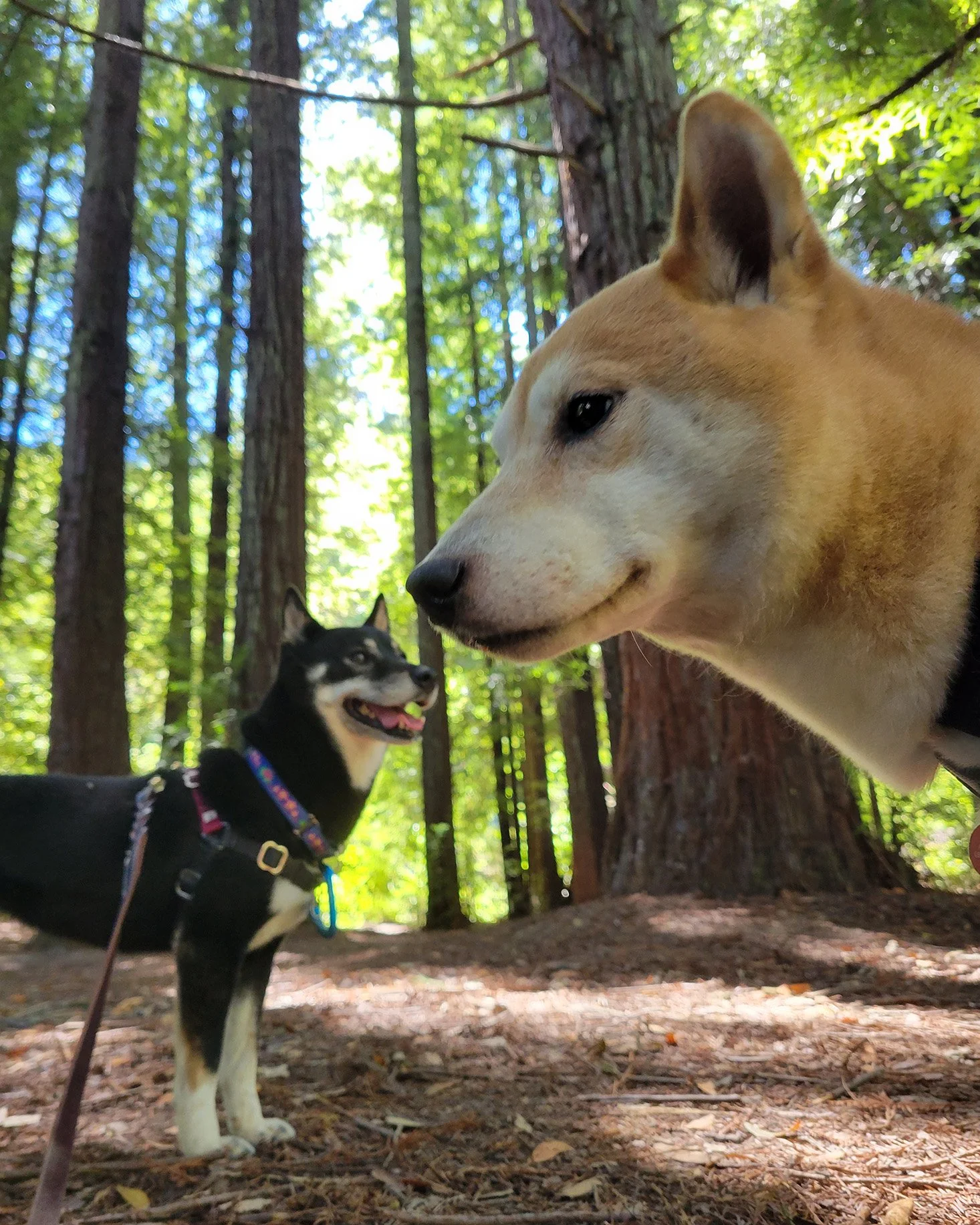
The climate crisis threatens the very existence of coral reefs in the near future. As a scientist, I am interested in understanding the genetic and cellular mechanisms that underpin coral-algal symbiosis, which play a critical role in the ecological success of coral reefs. I believe that understanding the basic biology of symbiosis is key to protecting corals and predicting their future in a warming planet.
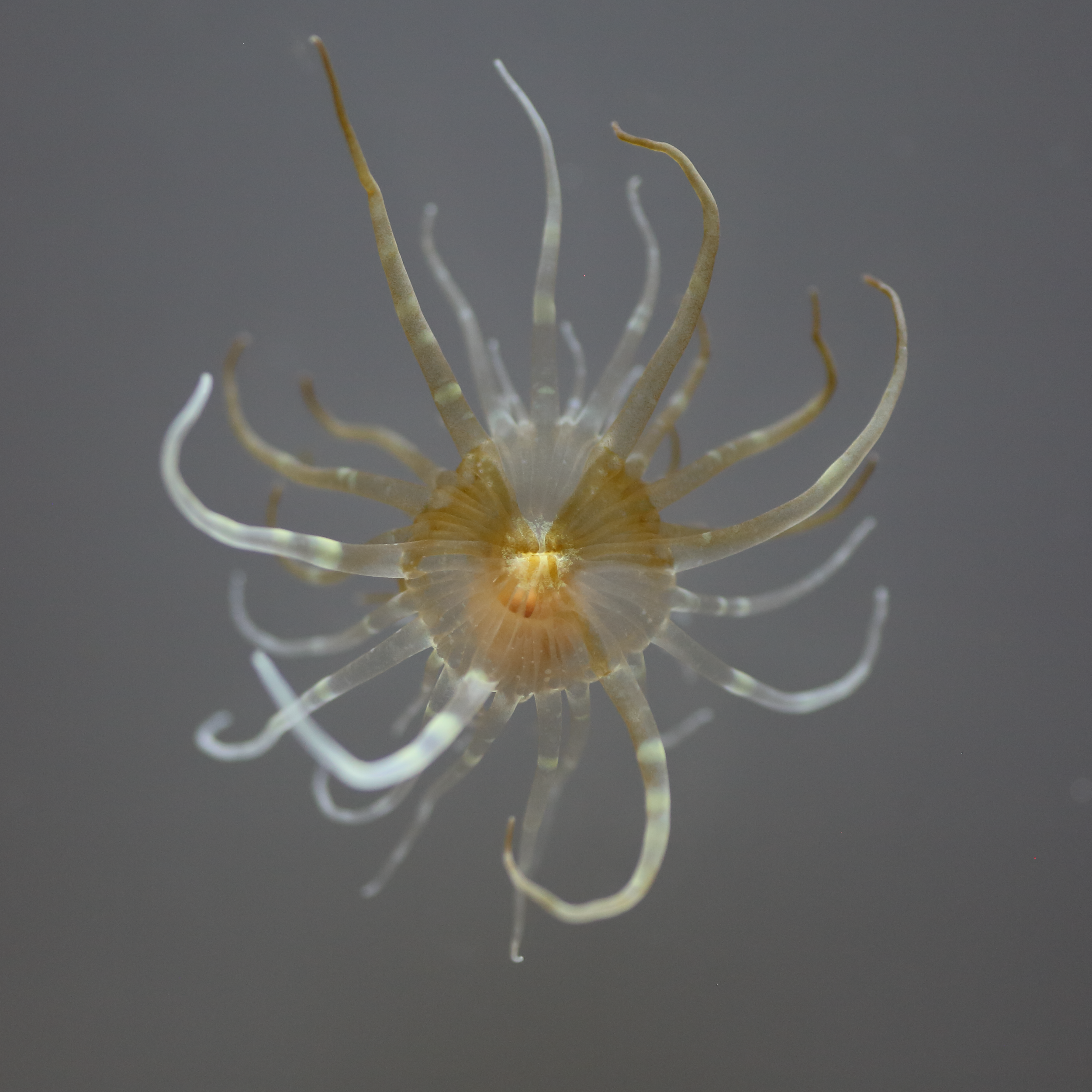
To this end, my lab will use the sea anemone model system Aiptasia (Exaiptasia diaphana) and the local temperate sea anemone, Anthopleura elegantissima to understand the cellular mechanisms involved in the onset, maintenance, and breakdown of cnidarian-algal symbiosis.
Research
-
Symbiosis with photosynthetic algae has evolved several times and has shaped the evolutionary trajectory of life. In fact, corals and sea anemones are thought to have evolved photosymbiosis independently of one another.
I am interested in understanding how genes and cellular machinery have been co-opted to evolve photosymbioses. For example, I have found that despite their independent evolution, corals and sea anemones co-opt the same lysosomal proteins to function in symbiosis.
-
With the introduction of new molecular tools and methods, it has recently become possible to target genes for CRISPR/Cas9 mutagenesis, RNAi knockdown, and over-expression as fluorescent constructs in the sea anemone, Aiptasia.
I am functionally interrogating the genes involved in symbiosis, to gain an understanding on how perturbing the function of specific genes affect the physiology of each partner.
-
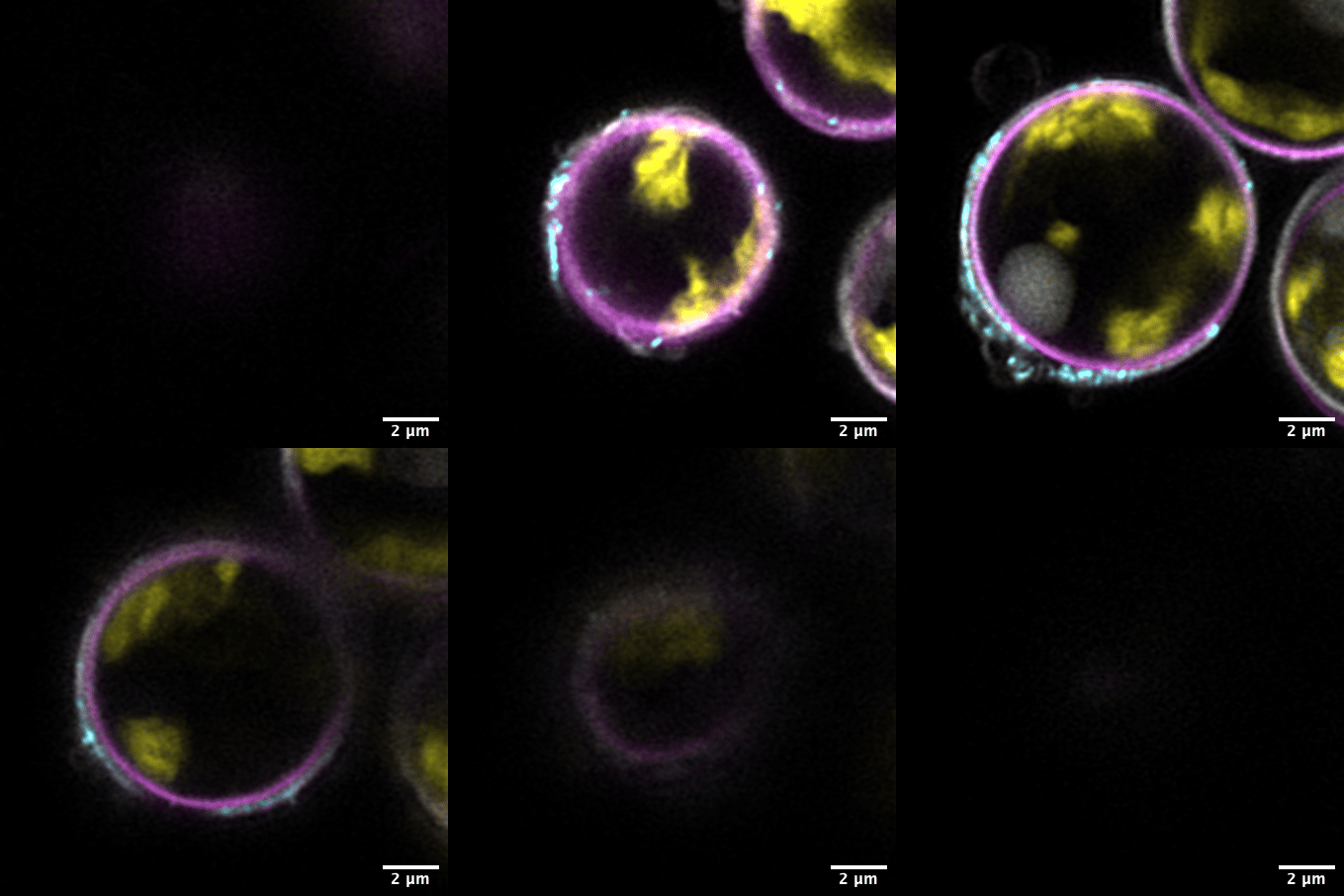
The symbiosome is the host-derived organelle in which the algal symbiont resides. This is the key interface for molecular communication and metabolic exchange between the two partners. Despite its importance, the complete symbiosome proteome had yet to be described.
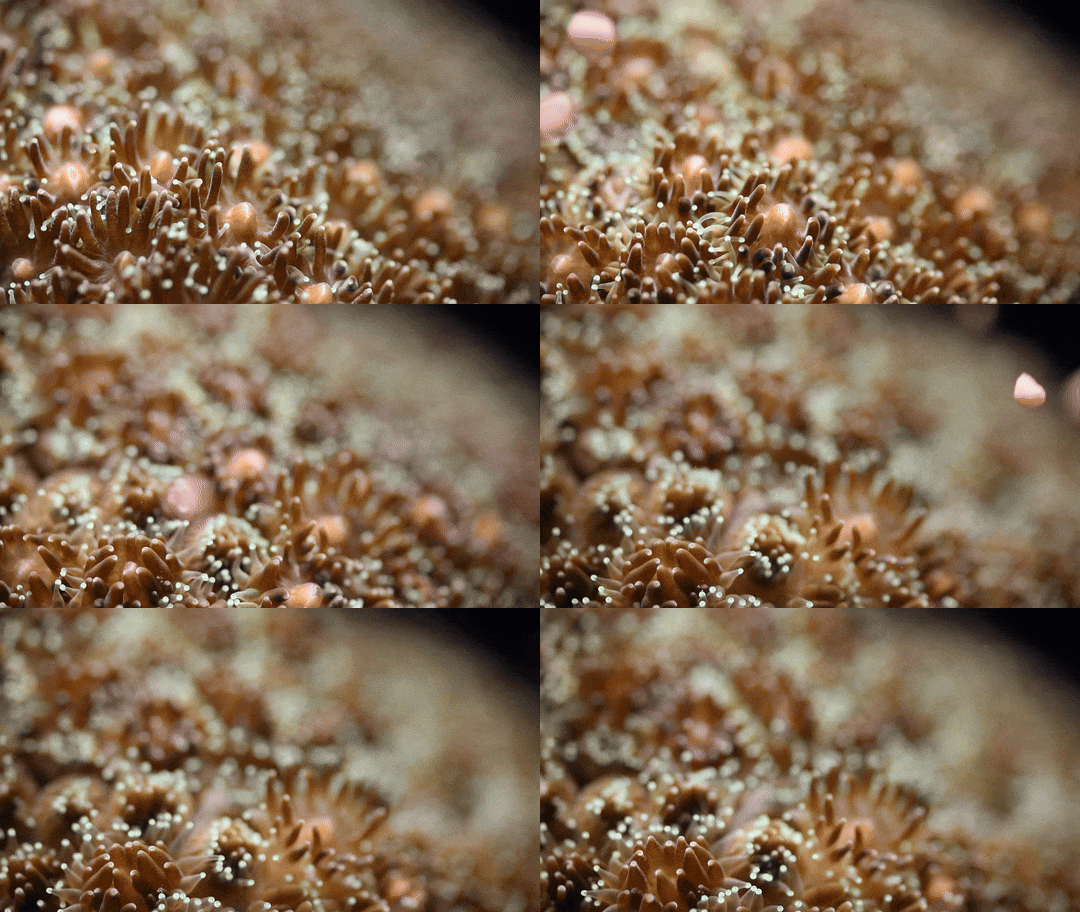
I was able to successfully characterize a high-quality symbiosome proteome using biochemical isolation techniques and test the function of symbiosome proteins using CRISPR/cas9 knockouts and shRNA knockdowns in Aiptasia and coral Galaxea fascicularis.
Read more about this work here: https://doi.org/10.1016/j.cell.2026.06.015
Teaching
BIOL 347 - Symbiosis (Spring 2027)
Symbioses are an integral part of biological interactions that often form the foundation of entire ecosystems. This course will explore the diversity of symbioses that exist across life and how these symbiotic interactions both shape and are shaped by their environment. We will investigate how different symbioses have common themes in evolution, ecology, metabolism, and cell biology. In laboratory exercises, you will independently develop and perform experiments on a symbiotic sea anemone, Aiptasia, along with their dinoflagellate algal symbionts, to understand the genetic and cellular basis of photosymbiosis, and explore how this relationship is perturbed by environmental factors.
Full course for one semester. Lecture-Laboratory
Prerequisites: BIOL 101 and BIOL 102
Publications
Maruyama S, Henderson CH, Swinhoe N, Kowalewski GP, Meier E, Engelke T, Cleves PA. Co-option of lysosomal machinery shapes the evolution of the intracellular photosymbiosis supporting coral reefs. Cell. 2026 https://doi.org/10.1101/2025.10.09.679812
Swinhoe N, Tinoco AI, Sarfati DN, Henderson CH, Kowalewski GP, Meier EK, Urban JM, Maruyama S, Lawrence EC, Hulett RE, Engelke TR, Craggs J, Bay LK, Cleves PA CRISPR/Cas9-mutagenesis reveals that varying dependence on HSF1 is associated with differences in coral heat tolerance. BioRxiv. 2026 https://doi.org/10.64898/2026.04.01.714264
Renicke C, Swinhoe N, Henderson CH, Meier EK, Ling L, Keat GL, Maruyama S, Rangarajan-Paul M, Pringle JR, Cleves PA. Development of genetic tools for the sea anemone Aiptasia, a model system for coral biology. Genetics. 2025 https://doi.org/10.1093/genetics/iyaf194
Sawiccy V, Tjandra NW, Maruyama S, Ruggeri M, Vo C, Harmon LA, Poole A, Weis VM. Regulatory role of NADPH oxidases in symbiosis and dysbiosis in the sea anemone Aiptasia. Frontiers in Marine Science. 2025 https://doi.org/10.3389/fmars.2025.1596098
Sawiccy V, Cai JB, Maruyama S, Leonardi NS, Weis VM, Kirk NL. Plug and play: A versatile CURE curriculum for scientific process skills in upper division life science labs. EdArXiv. 2023 https://doi.org/10.35542/osf.io/6be43
Maruyama S, Unsworth JR, Sawiccy V, Students of Oregon State University’s Z362 Spring 2021, Weis VM. Algae from Aiptasia egesta are robust representations of Symbiodiniaceae in the free-living state. PeerJ. 2022 https://doi.org/10.7717/peerj.13796
Maruyama S, Mandelare-Ruiz PE, McCauley M, Peng W, Cho BG, Wang J, Mechref Y, Loesgen S, Weis VM. Heat stress of algal partner hinders colonization success and alters the algal cell surface glycome in a cnidarian-algal symbiosis. Microbiology Spectrum. 2022 https://doi.org/10.1128/spectrum.01567-22
Maruyama S and Weis VM. Limitations of using cultured algae to study cnidarian-algal symbioses and suggestions for future studies. Journal of Phycology. 2021 https://doi.org/10.1111/jpy.13102